
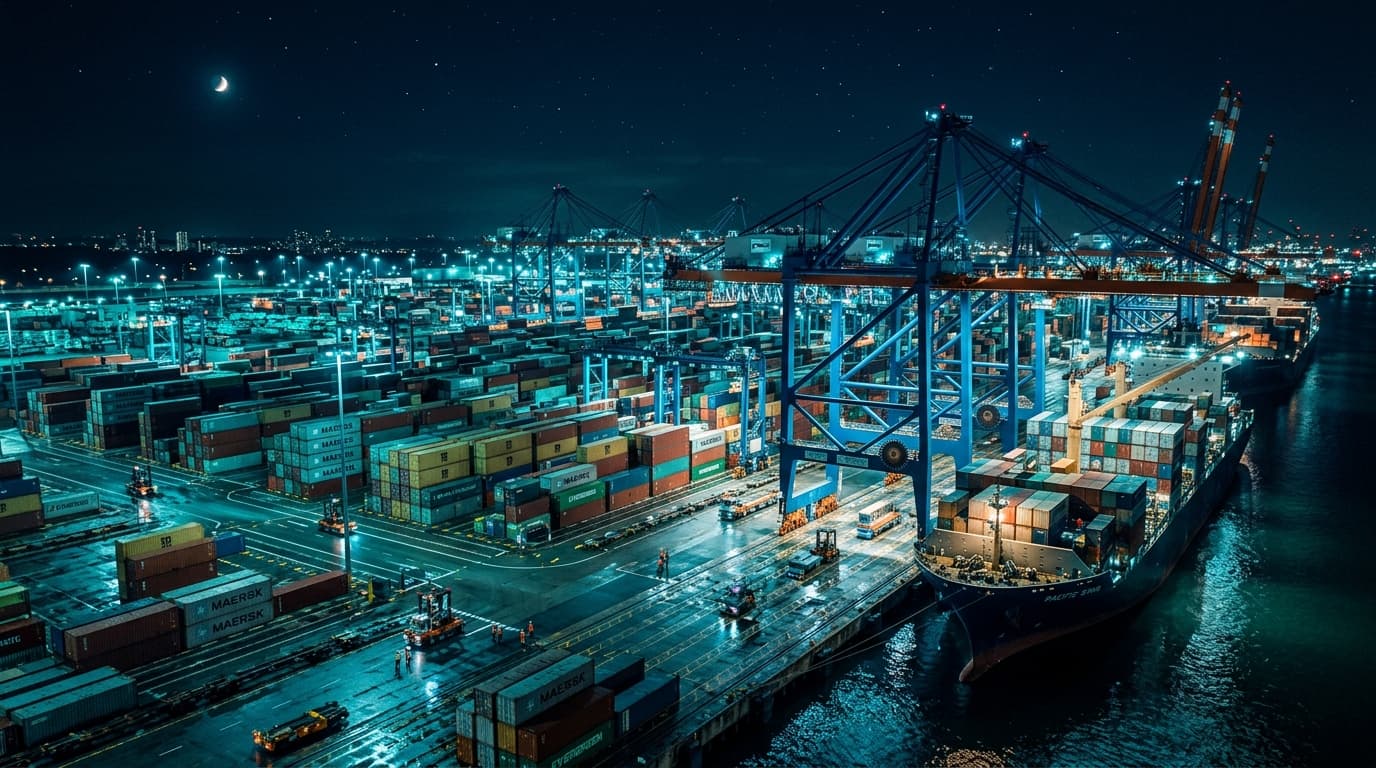
Capital, equipment, and expertise are usually available. What determines the timeline is whether they can actually reach the site on schedule.
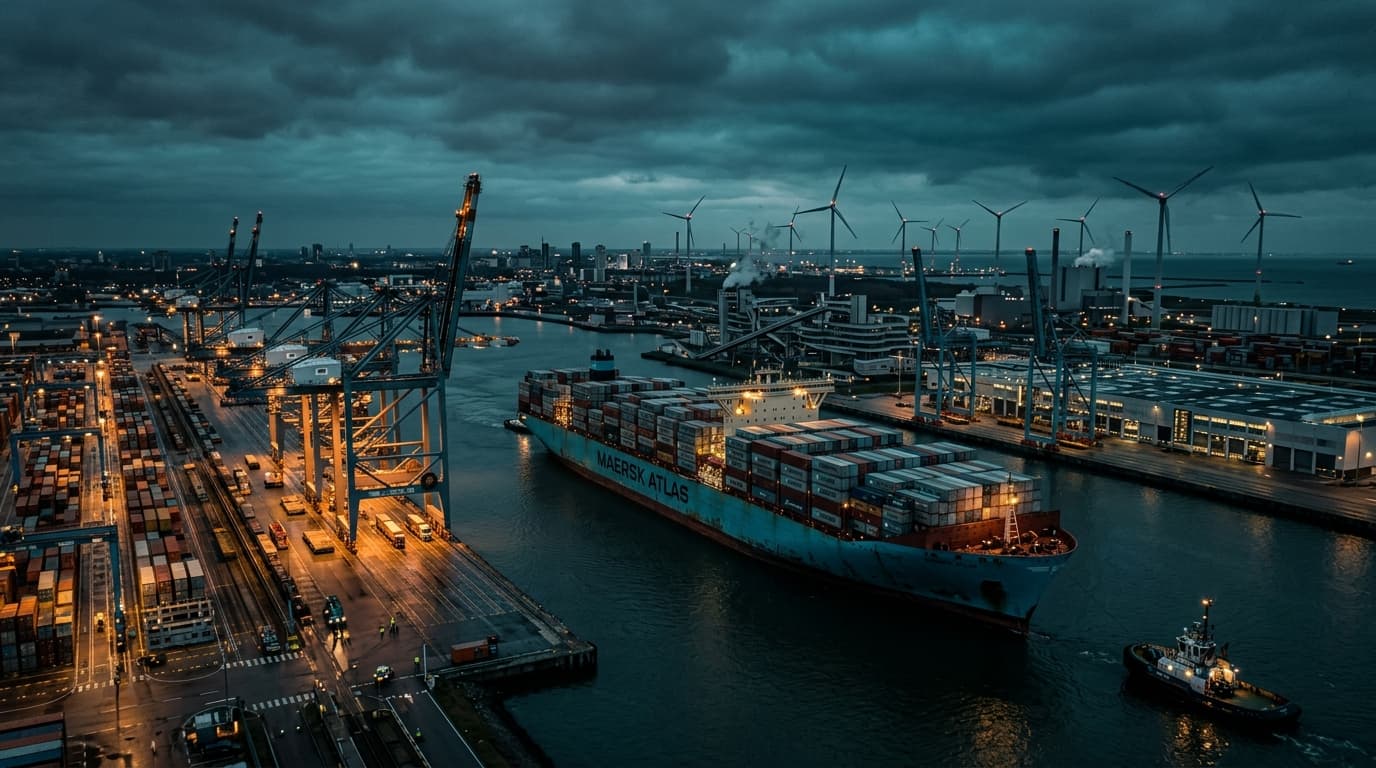
When an offshore or large-scale industrial project runs behind schedule, the cause is rarely a shortage of capital or technical expertise. More often, it is the movement of equipment and materials through customs, ports, and multi-modal transit that determines whether a project stays on timeline.
This is a structural feature of the work, not a one-off logistical inconvenience. Specialized equipment frequently has to clear customs regimes that were not designed with time-sensitive industrial cargo in mind. A single documentation delay at a port of entry can hold an entire crew idle at site, at a daily cost that dwarfs the freight charge itself.
The common response is to treat logistics as a vendor relationship — a freight forwarder engaged per shipment, managed at arm's length from the rest of the project. This works adequately when timelines are generous. It becomes a genuine liability when they are not.
The alternative is to treat clearance, freight, and warehousing as core project infrastructure rather than an outsourced function — planned alongside the engineering schedule rather than after it, with visibility into customs status built into the same reporting cadence as everything else on site.
This is less about any single shipment and more about compounding reliability. A project with a dozen critical deliveries only needs one of them delayed at customs to cascade into a missed milestone. Integrated logistics does not eliminate that risk, but it collapses the response time when something does go wrong — because the same team managing the project is the team with visibility into where the cargo actually is.
Work with us
Talk to our team about partnerships, projects and investment opportunities.