
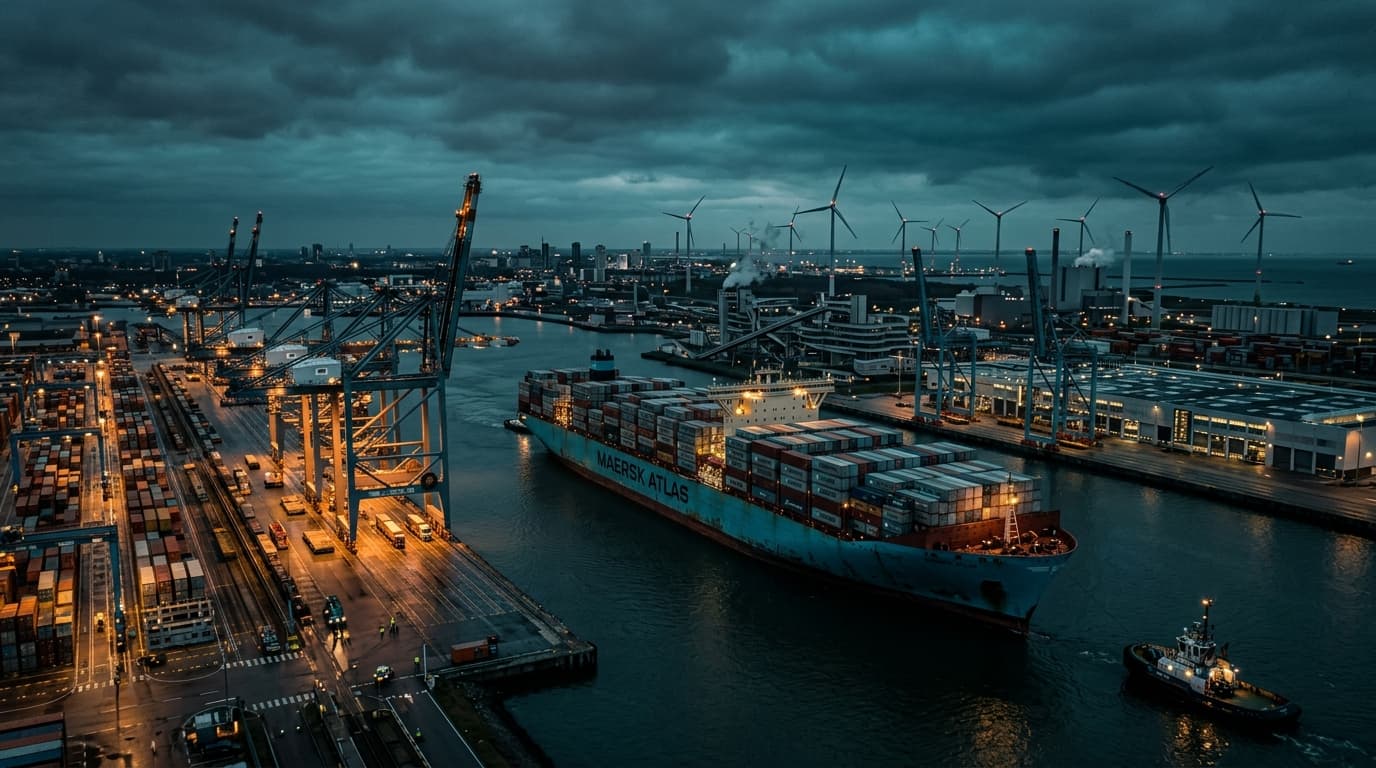
Reliable power is rarely the headline of an infrastructure story, but it is almost always the precondition for one.
Industrial growth is often discussed in terms of capital, policy, or market access. Less visible, but no less decisive, is the question of whether a region has the energy infrastructure to support the industry it hopes to attract.
In much of East Africa, this gap is a practical constraint rather than an abstract one. Manufacturing lines cannot run on intermittent power. Cold-chain logistics cannot tolerate unplanned outages. Ports and processing facilities need power profiles that match their operating hours, not the capacity of an aging grid.
The response to this constraint has typically fallen into two categories: extend the national grid, or rely on diesel generation as a stopgap. Both come with real limitations — grid extension is capital-intensive and slow, while diesel dependency exposes operators to volatile fuel costs and carries a heavier environmental footprint.
A third path, and the one we consider most durable, is targeted investment in energy infrastructure that is built alongside the industrial activity it is meant to serve — rather than years ahead of it or, more commonly, years behind. This means power planning that is integrated into the same feasibility studies as the logistics, manufacturing, or offshore capability being developed, not treated as a separate utility problem to be solved later.
This is also why energy transition and industrial capacity building are, in our view, the same conversation. A facility that reduces its reliance on imported diesel is not only lowering its operating costs; it is de-risking its own long-term viability against fuel price shocks and supply disruption.
The organizations that will shape the next decade of industrial development in this region are unlikely to be the ones with the largest single assets. They will be the ones who treated energy access as core infrastructure from the outset, rather than an afterthought bolted onto an already-committed project.
Work with us
Talk to our team about partnerships, projects and investment opportunities.